
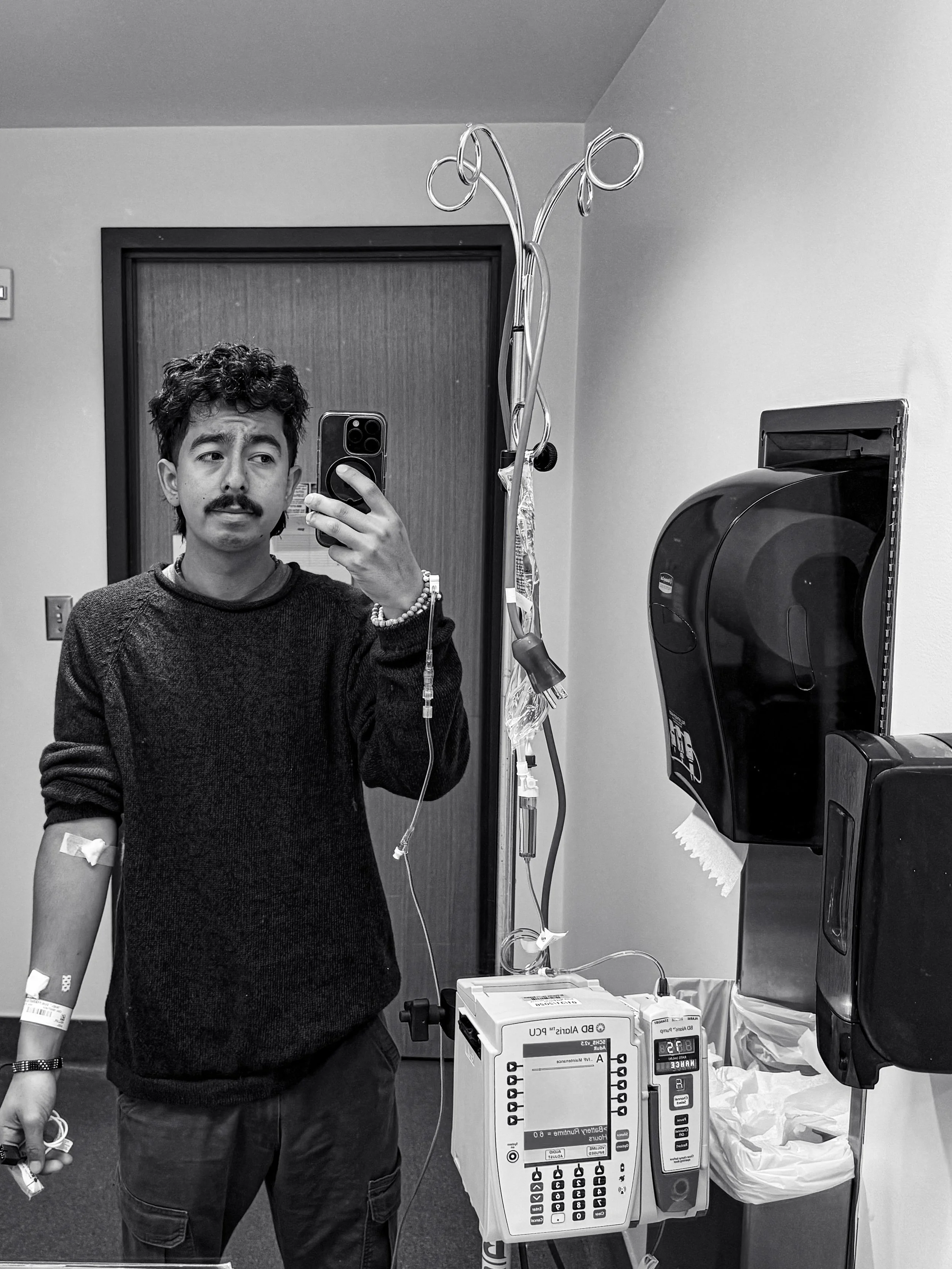
What is Ulcerative Colitis?
I am not a medical professional, and this information is based solely on my personal experience living with the condition, it should not be taken as medical advice.
Ulcerative colitis (UC) is a form of inflammatory bowel disease (IBD), a chronic condition that causes inflammation in the lining of the large intestine (colon) and rectum. This inflammation can lead to symptoms such as severe abdominal pain, frequent and urgent trips to the bathroom, fatigue, and internal bleeding.
UC is an autoimmune disease, which means the body’s immune system mistakenly attacks healthy tissue in the digestive tract. Doctors and researchers are still working to understand exactly why this happens. What we do know is that ulcerative colitis affects people of all ages and can dramatically impact daily life.
For many people living with UC, symptoms can come and go in periods known as flares and remission. During severe flares, simple activities like leaving the house, traveling, or even sleeping through the night can become incredibly difficult.
Treatments often include medications designed to reduce inflammation and calm the immune system. For some people, these treatments work well and allow them to manage the disease. For others, medications are not enough, and surgery may become necessary.
In some cases, like mine, the colon must be removed entirely to stop the disease. This surgery can save lives and give people their freedom back, but it also means learning to live with an ostomy.
While ulcerative colitis can change a person’s life dramatically, it does not have to define what someone is capable of.